Best Over the Range Microwave CFM With Built-in Ventilation for Your Kitchen
Looking for a reliable over-the-range microwave with a built-in 300–400 CFM ventilation system? This guide highlights five top options that blend cooking power, venting performance, and compact design for small to medium kitchens. Each pick is explained with who it’s best for and why, plus practical cautions to consider before buying. The buyer’s intent here is to find an OTR microwave that also functions effectively as a hood vent to keep your space smokey-free during daily meal prep.
Summary table of selected products:
- GE 30″ Over-the-Range Microwave JVM3160RFSS — 300 CFM venting, reliable GE performance.
- BLACK+DECKER Over the Range Microwave Oven EM044KB19 — 400 CFM venting, strong features for the price.
- Midea MOR17BSA — 300 CFM venting, smart touch controls, solid all-around value.
- GASLAND 30 Inch Over the Range Microwave — 400 CFM venting, robust one-touch menus.
- BLACK+DECKER 1.7 Cu.Ft Over the Range — 400 CFM or 300ish range implied by 1000W, large cavity.
GE 30″ Over-the-Range Microwave With Vent

Best for: small to medium kitchens seeking dependable performance and a straightforward venting solution. Why selected: GE’s 1.6 cu. ft. capacity and 300 CFM hood vent provide solid daily cooking and odor control with user-friendly controls. The design saves space by mounting above the stove, combining cooking and ventilation in one unit.
Caution: Ventilation capacity is solid but not the strongest if you routinely cook high-heat, heavy-duty frying. Ensure ducting and duct size match the 300 CFM capacity for best results.
BLACK+DECKER Over the Range Microwave EM044KB19
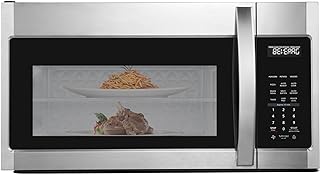
Best for: budget-conscious buyers who want a blend of reliable performance and practical features. Why selected: This model blends a 1.9 cu. ft. interior with 1000W cooking power and a 400 CFM venting system, plus convenient One Touch Auto Cook menus. It’s a strong value for everyday meals and quick reheat.
Caution: The vent size and exhaust setup may require careful installation planning in compact kitchens with existing ducting constraints.
Midea MOR17BSA Over-the-Range

Best for: buyers who want a feature-rich control panel and a reliable venting option at a mid-range price. Why selected: The MOR17BSA offers 1.7 cu. ft. capacity with 1000W power and a 300 CFM vent, plus a smart touch panel and 18 auto cook menus. It’s a balanced pick for everyday meals and flexible venting needs.
Caution: Some users may desire even stronger ventilation if smoking foods or heavy oil-intensive cooking is common in their kitchen.
GASLAND 30 Inch Over the Range Microwave

Best for: cooks seeking a strong venting system and versatile cooking options, including multi-step routines. Why selected: GASLAND delivers 1000W, 11 power levels, and a 400 CFM two-speed exhaust with bright LED lighting for clear visibility on the cooktop. The 2-stage cooking function helps manage multi-step recipes with consistent results.
Caution: The feature set is robust, but the brand’s long-term reliability should be considered alongside installation specifics for ducting and space around the range.
BLACK+DECKER 1.7 Cu.Ft Over-the-Range

Best for: households needing a larger interior capacity and reliable one-touch cooking options. Why selected: This Black+Decker model provides 1.7 cu. ft. of interior space with 1000W power and multiple quick menus, plus a practical venting solution for everyday use.
Caution: The interior is sizeable, but the exterior dimensions should be confirmed to fit your cabinetry and ceiling clearance in a tight kitchen.
Buying Guide: Over-the-Range Microwave CFM Essentials
Ventilation capacity matters as much as cooking power. When evaluating models, consider the following questions and factors to ensure the best fit for your kitchen layout and cooking style.
How much ventilation do I need? If you regularly sauté or fry, target models with 300–400 CFM to adequately remove steam, smoke, and odors. Higher CFM benefits larger cooking areas or multi-burner setups.
What interior size do I need? Over-the-range microwaves range from about 1.6 to 1.9 cubic feet. Choose based on your family size and typical meal prep volume. Larger interiors accommodate bigger containers and plates.
Are there smart controls or auto menus worth it? Some models include One Touch Auto Cook menus and smart touch panels. These can streamline weeknight meals and reduce guesswork for reheating and defrosting.
Is installation feasible in my kitchen? Check ducting requirements and cabinet clearance. Venting performance depends on correct duct sizing and smooth airflow from the hood vent. Some units ship with straightforward installation but may require professional help for best results in tighter spaces.
What are the limitations to watch for? Heavier cooking setups may demand higher-precision venting alignment. In compact kitchens, ensure your hood vent can be aligned with the stove area to maximize odor removal and minimize recirculation if you do not have a full ducting setup.
How important is capacity versus compact design? If counter space is scarce, a 30-inch width with a compact depth can maximize cabinet and lane space while still delivering solid power. If you need more room for large dishes, consider a slightly larger interior, but confirm the unit fits under your cabinets.
Frequently Asked Questions
- What is a typical CFM for over-the-range microwaves? Most standard OTR models provide 300–400 CFM, suitable for everyday cooking and typical kitchen layouts.
- Can I install these without professional help? Many models are designed for straightforward wall-oven installation, but venting and ducting may benefit from professional setup, especially in complex ducts or tight spaces.
- Do these units support turntable cooking? Yes, most models include a removable turntable to accommodate standard dishware and ensure even heating.
- Are there quiet operation options? Vent fans vary in noise; look for two-speed exhaust or low-noise fan designs if you prefer quieter operation during cooking.
- How do I choose between 300 CFM and 400 CFM? Choose 300 CFM for smaller spaces or light-to-moderate use; 400 CFM is better for busier kitchens or frequent fry/cook tasks.
- Is capacity more important than venting? Both matter. A larger interior helps with cooking flexibility, but effective venting keeps your kitchen comfortable during and after cooking.