Best Fufu Mortar and Pestle for Authentic Home Cooking
Looking for a fufu-friendly mortar and pestle that can handle traditional pounding and everyday grinding? This guide profiles five top Amazon options, highlighting who each product is best for and why it fits fufu and related needs. Whether you need a compact grip for garlic or a jumbo bowl for large batches, these picks cover different kitchen styles and workloads. Use this page to compare capacity, material, and ease of cleaning to choose the right tool for your cooking routines.
Summary of selected products
- IMUSA USA LIS-005W Jumbo Mortar with Pestle, Wood — best for large batches and rustic prep.
- IMUSA Chinaberry Wood Mortar & Pestle XL — better for guacamole and mofongo with high walls.
- African Delights Tapoli Wooden Grinder — ideal for traditional Ghanaian dishes and coconut work.
- ChefSofi Mortar and Pestle Set — best for granite robustness and versatile grinding.
- Samhita Acacia Wood Mortar and Pestle — great for compact, everyday spice grinding.
IMUSA USA LIS-005W Jumbo Mortar with Pestle

Material: Wood. Design: Natural and authentic. Cleaning: Easy to clean. This jumbo wooden mortar is well suited for large fufu prep and pestle pounding. The natural wood finish supports a traditional feel while offering a sturdy grip for extended sessions. Best for cooks who need a straightforward, durable tool for batch processing and rustic textures.
Best for: Home cooks who frequently prepare large quantities of fufu, ground pepper, or mashed ingredients. Choose this if you value a classic wooden look and a larger working bowl that reduces the need for refills.
Limitation: Wood can absorb strong aromas; thorough seasoning and cleaning help minimize lingering odors.
IMUSA Chinaberry Wood Mortar & Pestle XL

Features: Jumbo capacity (5 inches diameter), natural polished wood, high walls for spacious grinding. The polished finish aids cleaning and maintenance, while the design supports large quantities for mofongo, guacamole, and spice blends. Best for: those who need a roomy mortar that can handle multiple ingredients at once and reduce spillovers.
Limitation: Large size may be heavier to handle for users with limited hand strength; ensure stable countertop or non-slip surface during use.
African Delights Tapoli Wooden Grinder

Material: Hardwood; Use: Traditional grinding and coconuts, spices, and herbs. Ergonomic design for comfortable handling; sturdy construction supports open coconut work and mashing tasks. Best for: fans of Ghanaian cuisine or traditional grinding methods who want a durable, hand-operated tool with cultural authenticity.
Limitation: Not ideal for very fine powder work without additional grinding steps; may require more effort for small-batch tasks.
ChefSofi Mortar and Pestle Set (Gray, 2-Cups)

Material: Unpolished granite; Capacity: 500 ml (approx. 2 cups). Durable and dense for powders and pastes. This set emphasizes traditional grinding with a heavy stone surface that yields consistent textures. Best for: cooks who want a robust, versatile tool for herbs, spices, pesto, guacamole, and more. Limitation: Granite can be heavier and noisier than wooden options; requires careful cleaning to avoid oil buildup.
Samhita Acacia Wood Mortar and Pestle
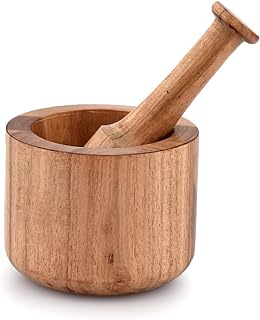
Material: Acacia wood; Dimensions: 4″ x 3″ mortar; Pestle 5.5″. Compact design suitable for garlic, pepper, and small-batch grinding. Best for: quick daily prep and small kitchens where space matters. Limitation: Smaller capacity may require refilling for larger recipes.
Buying Guide
What material should you choose?
- Wood: Light, easy to handle, and good for aromatic herbs; may retain smells and needs regular oiling.
- Granite or stone: Extremely durable with excellent grinding power; heavier and noisier, ideal for tough spices and pastes.
- Tapoli or traditional hardwoods: Culturally specific designs built for grinding spices and opening coconuts; best for authentic textures.
What capacity fits your needs?
- Small (1–2 cups): Great for garlic, ginger, and single-batch condiments.
- Medium (2–3 cups): Balanced option for sauces, pestos, and pepper grinding.
- Large (3+ cups or 5-inch diameter): Best for mofongo, large batches of guacamole, and multi-ingredient pastes.
What maintenance matters?
- Wood: Clean with damp cloth; avoid soaking; dry promptly and oil occasionally.
- Stone: Rinse and dry; avoid soap if not labeled as stone-safe; use a brush for stubborn residues.
- All tools: Ensure a dry surface to prevent mold or rust; store in a dry cabinet.
Usage tips for fufu and traditional dishes:
- For fufu, a larger, high-walled mortar can help keep ingredients contained while pounding.
- To keep flavors distinct, grind spices separately before combining with other ingredients.
- Maintain a stable stance and use steady, circular motions to achieve consistent texture.
Frequently Asked Questions
- What is the best material for a fufu mortar? – Wood mortars offer traditional aesthetics and ease of use, while stone mortars provide rugged durability for heavy grinding.
- How do I clean a wooden mortar after grinding garlic or onions? – Wipe with a damp cloth, dry promptly, and oil lightly to preserve wood.
- Can I use a granite mortar for coconut grinding? – Yes, but be mindful of weight and noise; ensure stable placement during use.
- Is a larger mortar better for fufu? – A larger bowl reduces refilling and speeds up batch processing, especially for larger households.
- Should I soak wood mortars before use? – Soaking is generally not recommended; seasoning with a light oil is usually preferred after initial use.
- Are granite mortars heavy to handle for daily cooking? – They can be heavier, but their durability and grinding efficiency are strong advantages for frequent use.