Best Dinner Plate Hibiscus Varieties for Bold Blooms
The best dinner plate hibiscus varieties deliver colossal blooms, cold-hardiness, and drama for borders, containers, or pollinator-friendly gardens. This guide highlights five top options suited for American climates and landscape goals. Read on to find which hibiscus fits your zone, sun, and water conditions, and who should buy each plant.
Overview at a glance: the following table compares the five featured options by bloom size, hardiness, and ideal growing conditions.
| Product | Hardiness Zone Range | Bloom Size | Best For | |
|---|---|---|---|---|
| Lord Baltimore Hibiscus Live Plants | Zone 5-9 | ~10″ diameter | Tropical look with cold tolerance | Large crimson-red blooms; two live starter plants |
| Lady Baltimore Hardy Hibiscus | Zone 4-9 | 10–12″ diameter | Showy perennial with cold hardiness | Pink blooms; strong landscape presence |
| Hibiscus Luna Mix | Zone 4-9 | 4-8″ starter plants; mature larger | Reliable perennials with easy care | Mix of colors; no pot included |
| Marsh Hibiscus Plants (3-Pack) | Zone 4-9 | Large dinner-plate blooms (white/pink) | Wet garden edges and rain gardens | Three live plants; suitable for moist soils |
| Qinyoung Disposable Plates (Hibiscus theme) | N/A | 10″ x 12″ plates (not live plants) | Event tableware for hibiscus decor | Paper plates; not a live plant option |
Lord Baltimore Hibiscus Live Plants

What You Receive: A premium pack of 2 live Lord Baltimore hibiscus starter plants, 5-9 inches tall, delivered as established starts ready for immediate planting. Best for gardeners who want quick establishment and a dramatic tropical look without waiting years for blooms.
Bloom Power: The species is renowned for its 10-inch wide crimson-red flowers with a ruffled texture, delivering a statement in any landscape. Best for sunny borders, large planters, or pollinator-friendly spaces.
Hardiness and Style: This is Hibiscus moscheutos, a cold-hardy tropical look that survives freezing winters down to Zone 5. It dies back in winter and rebounds vigorously in spring, growing into a bold focal plant each season.
Considerations: Giants blooms require full sun and consistently moist soil for peak performance. Avoid overly dense shade, which can reduce bloom size and plant vigor.
Lady Baltimore Hardy Hibiscus

What You Receive: Two live Lady Baltimore Hibiscus plants, 5-9 inches tall, nursery-grown and packed to arrive in excellent condition. This pair is designed for gardeners who want a reliable perennial with dramatic pink blooms.
Bloom Power: Dinner-plate blooms reach 10-12 inches across, with a soft pink tone and a deep crimson-red eye that creates instant visual impact. The large head makes it a standout in borders or containers.
Hardiness and Range: Fully cold-hardy, dying back in fall and returning each spring from Zone 4 through Zone 9. A dependable perennial for seasons with cool summers and mild winters.
Considerations: While hardy, it still benefits from mulching and sun exposure. In extreme heat, consistent moisture helps maintain bloom size and plant vigor.
Set of 2 Hardy Hibiscus Luna Mix Live Starter Plants
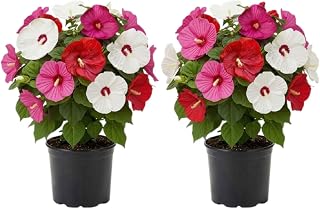
What You Receive: Two live Hardy Hibiscus Luna starter plants, 4-8 inches tall, shipped without a pot and ready to plant in-ground or in containers. Ideal for gardeners who want quick color without a large upfront investment.
Bloom Power: Luna Mix offers enormous, dinner-plate-sized blooms from midsummer to fall. The mix typically includes multiple colors, providing ongoing visual interest through the season.
Hardiness and Care: This cultivar is Zone 4–9 hardy and enjoys full sun with consistently moist, well-draining soil. Water and heat tolerance make it a flexible choice for many American gardens.
Considerations: Plants ship without pots; be ready to pot up or plant promptly to prevent drying out. Regular feeding can promote steady growth and bloom formation.
3 Live Marsh Hibiscus Plants For Growing

What You Receive: Three healthy live marsh hibiscus plants (bare root), ready to establish outdoors. Best for gardeners adding moisture-loving perennials to wetlands, ponds, or rain gardens.
Bloom Power: Large dinner-plate blooms in white and pink with striking red centers, creating strong visual impact against moist, rich soils.
Hardiness and Habitat: Hardy between Zones 4–9 and well-suited to wet areas. These plants thrive near water features and in consistently moist soil conditions.
Considerations: Preference for moist soil means regular irrigation during dry spells. They may require extra attention in drought-prone regions.
Qinyoung Hawaii Hibiscus Plates Bulk (Paper Plates)

What You Receive: A bulk set of 60 disposable hibiscus-themed paper plates for luau-style gatherings. Note: This item is a decorative party supply, not a live plant.
Best For: Event planners and hosts seeking vibrant hibiscus-themed tableware. Provides a tropical ambiance for dinners and celebrations.
Limitations: Not a horticultural option; does not contribute to garden landscape or bloom displays. Choose this if your goal is décor rather than plant growth.
Buying Guide: Key Considerations For Dinner Plate Hibiscus Varieties
What climate zone do you garden in? Select plants that are hardy to your zone to ensure perennials survive winters and rebound reliably each spring.
What bloom size do you want? Dinner-plate hibiscus varieties offer blooms from several inches to over a foot in diameter. Bigger blooms deliver more dramatic impact but may require more sun and moisture.
Is soil moisture important? Some varieties thrive in wet or consistently moist soils (great near ponds or rain gardens), while others prefer well-drained, evenly moist conditions.
Container versus in-ground planting: Choose starter plants that ship with roots ready to plant, and ensure containers have adequate drainage and sun exposure for maximum bloom production.
Hardiness versus tropical look: Hardy hibiscus deliver a tropical aesthetic without tropical-region care. If you want a tropical look in colder areas, choose hardy types that die back in winter and regrow from the roots.
Frequently Asked Questions
- What is a dinner-plate hibiscus? A hibiscus plant with very large blooms that resemble a dinner plate in diameter, typically 8–12 inches or larger when fully open.
- Are these hibiscus varieties cold-hardy? Many listed varieties are hardy to zones 4–9, allowing them to survive winter in a broad range of American climates. Some are described as cold-hardy perennials.
- Do these plants require special care? They generally prefer full sun, regular moisture, and well-draining soil. Mulching helps with winter protection for frost-prone areas.
- Can I plant these in pots? Yes, select starter plants suitable for container growing and ensure pots have drainage and enough space for root growth.
- When do these hibiscus bloom? Most giant dinner-plate hibiscus start blooming mid to late summer and continue into fall, with peak display in hot, sunny conditions.
- Which variety is best for pollinators? The large, nectar-rich blooms of varieties like Lord Baltimore and Lady Baltimore can attract hummingbirds and butterflies, supporting pollinator gardens.