Best Butcher Block Per Square Foot: Top Picks for Durable, Knife-Friendly Boards
Answering the question “butcher block per square foot,” this guide identifies high-value cutting boards by surface area, material, and build quality. It helps buyers choose boards that maximize space, durability, and knife-friendliness. Best-for profiles: large professional-style blocks suit serious home cooks and entertainers; square or compact boards fit small kitchens or apartment living; end-grain and acacia options balance longevity with easier maintenance.
Summary table of selected products:
| Product | Material | Size / Surface | Best For | Notes |
|---|---|---|---|---|
| Cutting Board, Butcher Block – Cherry/Walnut/Maple | End grain hardwood | 2″ thick, 13.5″ x 17.5″ | Large meal prep, whole ham or ribs | High stability; bun feet reduce moisture buildup |
| Lugna Wood Paulownia Perfect Square Cutting Board | Paulownia | 10.2″ square | Compact kitchens, small prep tasks | Anti-spill design, quick-drying |
| Elama Acacia Square Butcher Block | Acacia | 13.75″ square, 1.5″ thick | Daily chopping and serving | Durable, moisture resistant |
| Small End Grain Bamboo Cutting Board | Bamboo | Size not specified (small board) | Everyday prep, non-slip | Heat resistant surface |
| Bearchop Square Acacia Wood Cutting Board | Acacia | 14″ x 14″ x 1.25″ | Versatile kitchen prep and serving | Solid construction, anti-crack bars |
Cutting Board, Butcher Block – Cherry/Walnut/Maple

Best for: cooks who need a large, knife-friendly work surface. This end-grain block uses local hardwoods (Cherry, Walnut, Beech, Maple) with a 2″ thickness for stability and longevity. The bun feet elevate the board to ease cutting, minimize moisture contact, and improve non-slip performance. Avoid if you need a compact board for small kitchens or travel.
Lugna Wood Paulownia Perfect Square Cutting Board
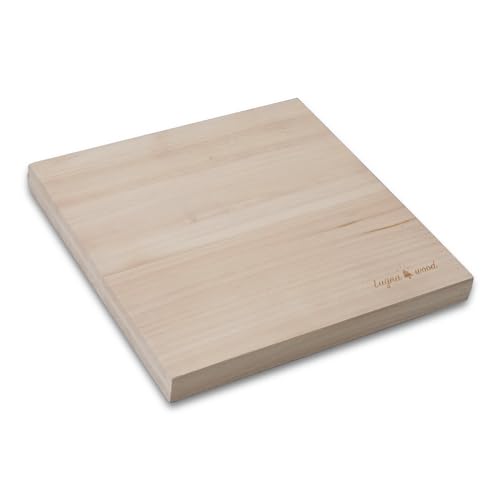
Best for: small- to mid-sized kitchens needing a compact, spill-resistant board. Paulownia is lightweight and dries quickly, helping prevent odor transfer. Its anti-spill design supports easier handling of chopped ingredients. Choose this if you prioritize quick drying and a smaller footprint; not ideal for very large roasts.
Cutting Board Feet, Walnut Chopping Board Leg

Best for: upgrading an existing cutting board to prevent slipping and moisture buildup. This set adds four walnut feet with a secure mounting system ( adhesive and screws), plus solid walnut construction for a stable base. Not a standalone board—best as an accessory. The feet improve stability but require a compatible board.
Elama 13.75 x 1.5 Inch Square Acacia Block
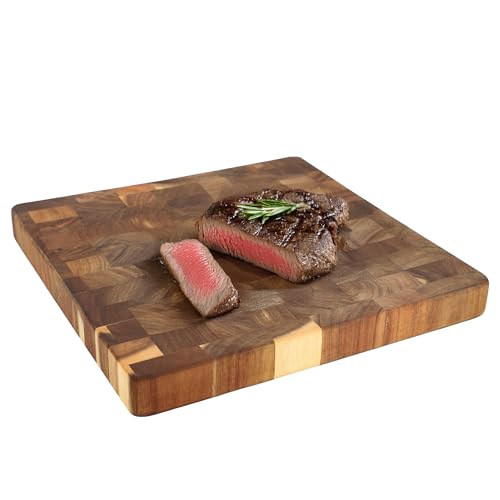
Best for: everyday chopping and serving with a balance of size and thickness. Acacia wood provides natural resistance to scratches and moisture. The 13.75-inch square surface offers ample room for vegetables, meats, and cheeses. Limitations: may require more care to maintain the finish over time in high-humidity kitchens.
Small End Grain Bamboo Cutting Board

Best for: space-conscious homes seeking a durable, non-slip bamboo board. The end-grain construction is knife-friendly and water-resistant, with non-slip rubber feet that stabilize the board during use. Caution: the data does not specify a large work surface—best for smaller prep tasks or as a secondary board.
Bearchop Square Acacia Wood Cutting Board
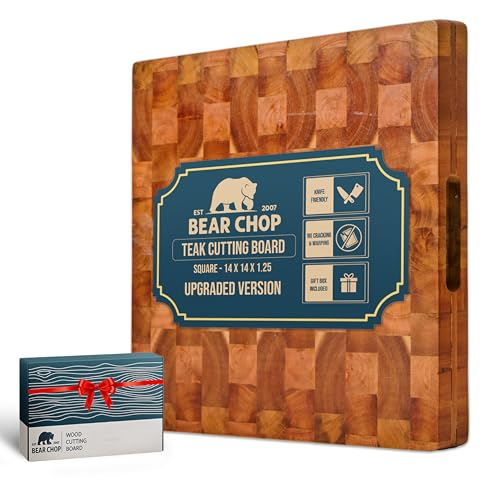
Best for: daily kitchen prep and serving, with reinforced four-side bars to help prevent cracking and warping. The square 14″ x 14″ x 1.25″ size provides a generous, flat surface for vegetables, meats, and cheeses. Limitation: larger boards require more countertop space and more storage consideration.
Buying Guide
What should I consider when choosing a butcher block per square foot?
- Surface area vs. footprint: Larger boards offer more prep room but take more space on the counter or storage area.
- Material and care: Hardwoods and acacia resist moisture; bamboo is durable and lightweight but may require specific maintenance to prevent warping.
- End grain vs. edge grain: End-grain blocks are typically softer on knives and more durable over time; edge-grain boards can be less expensive and easier to surface-maintain.
- Height and stability: Blocks with bun feet or non-slip bottoms reduce moisture contact and movement during use.
- Maintenance needs: Some boards require regular oiling; others are more spill-resistant or quick-drying. Consider your kitchen climate and dishwashing habits.
How does a square or compact board influence use?
- Compact boards fit tight countertops and small kitchens but may limit large-scale food prep.
- Squares and smaller formats are ideal for daily chopping tasks and serving small portions.
Which material provides the best balance of durability and knife-friendliness?
- End grain hardwoods (like cherry, walnut, maple) offer durable, knife-friendly surfaces.
- Acacia is moisture resistant and long-lasting but may require routine care to maintain finish.
What about price and value?
- In this selection, larger end-grain blocks provide long-term value through reduced knife wear and steadier prep space, while compact boards offer flexibility for apartments or light cooking.
Frequently Asked Questions
- What is per square foot in relation to butcher blocks?
Per square foot describes the usable surface area of a board; larger boards deliver more prep space per board, measured by their total surface area and how efficiently that space is used.
- Are end-grain boards better for knives than edge-grain?
Yes, end-grain blocks are generally gentler on knife edges and more durable over time because the surface is made of many tiny fibers that cushion cuts.
- Which material is easiest to maintain?
Bamboo and certain acacia boards are relatively easy to clean and resist moisture; however, maintenance varies by finish and usage.
- Can you use cutting boards as serving boards?
Many boards are suitable for serving, especially square or flat boards designed for presentation; verify the specific product’s intended use if serving is a priority.
- Should I oil or treat my cutting board?
Yes, most hardwood and acacia boards benefit from periodic oiling to maintain moisture balance and prevent cracking; follow manufacturer recommendations.
- What size should I choose for a home kitchen?
Choose based on counter space, storage ability, and typical meal prep tasks. Large blocks excel for big roasts; smaller boards suit daily prep in compact kitchens.