Best Gas Water Heaters for Efficient Hot Water Supply 2025
Choosing the right gas water heater can significantly impact your home’s comfort and energy bills. This guide covers top-rated gas water heaters that provide reliable hot water with varying flow rates and energy-efficient technologies. To assist your decision, here is a summary table featuring the best-performing models based on capacity, installation type, and special features.
| Model | Brand | BTU | GPM | Installation | Key Feature |
|---|---|---|---|---|---|
| Ranein Natural Gas Tankless | Ranein | 80,000 | 3.6 | Indoor | 4 temperature modes |
| Rinnai RX199iN Condensing | Rinnai | 199,000 | 11.1 | Indoor/Outdoor | Smart Sense control |
| Nessxa Propane Tankless | Nessxa | 85,300 | 3.66 | Indoor/Camping | Six safety protections |
| Rheem RTG-70DVLN-3 High Efficiency | Rheem | Not specified | 7.0 | Indoor | Water saving setting |
| Rinnai V75IN Tankless Hot Water Heater | Rinnai | Not specified | 7.5 | Indoor | High-pressure flow rate |
Ranein Natural Gas Tankless Water Heater

This indoor tankless water heater boasts an 80,000 BTU heating capacity and delivers a hot water flow rate of 3.6 gallons per minute (GPM). It can simultaneously supply continuous hot water for 2 to 3 fixtures, making it suitable for bathrooms, kitchens, and bar sinks. The unit eliminates preheating wait times, providing instant hot water on demand. Users can select from four temperature modes—Dish (100°F), Fruit (95°F), Elderly (104°F), and Infant (107°F)—adapted for different household needs.
NEW Rinnai RX199iN Condensing Smart Sense Natural Gas

The Rinnai RX199iN is a versatile tankless water heater installable both indoors and outdoors with its Versa Vent system. Powered by natural gas or propane, it provides an impressive 11.1 GPM, supporting up to seven fixtures simultaneously and producing 199,000 BTU. The heater features a Smart Sense gas control system and an intuitive interface for easy operation. It’s highly energy-efficient with a UEF of .98, and compatible with optional WiFi control modules for modern smart home integration.
Tankless Water Heater Propane with Digital Display by Nessxa

Designed for indoor and camping use, this propane tankless water heater delivers 85,300 BTU/hour with a hot water flow rate of 3.66 GPM. It supports temperature ranges from 17°F to 113°F. The heater emphasizes safety with six protection features including overheat, dry combustion, antifreeze, low-flow, flame fault, and high water pressure protection. Its combustion technology reduces energy consumption and operational noise, while also providing an energy-saving benefit of about 10%.
Rheem RTG-70DVLN-3 High Efficiency Indoor Tankless Water Heater

Rheem’s indoor non-condensing tankless gas water heater provides a hot water flow rate of 7.0 GPM. Its design ensures enough hot water for multiple applications including showers and dishwashers operating simultaneously. The unit operates only when hot water is demanded, saving energy costs and contributing to water conservation by saving up to 1,100 gallons yearly with its dedicated water-saving setting.
Rinnai V75IN Tankless Hot Water Heater, Indoor Natural Gas
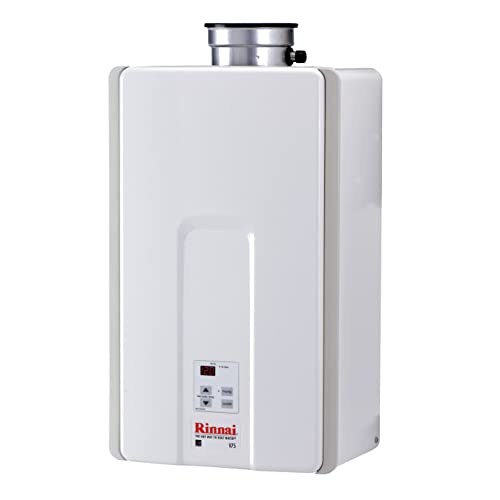
This compact indoor natural gas tankless water heater by Rinnai offers an optimal hot water flow of 7.5 GPM, suitable for serving up to five appliances simultaneously. The design is energy efficient, heating only when needed, which helps reduce energy waste. Enhanced scale detection systems reduce the risk of long-term damage, supporting durability and reliability in delivering endless hot water throughout your home.
Buying Guide: Key Considerations for Selecting the Best Gas Water Heater
When shopping for a gas water heater, several factors influence the best choice for your household needs and installation preferences.
1. Flow Rate (GPM)
Determine your hot water demand by considering the number of fixtures that may run simultaneously. A higher GPM supports multiple applications without temperature drops.
2. BTU Capacity
The BTU rating indicates the heating power. Higher BTUs heat water faster and maintain temperature better, essential for larger families or homes with high water usage.
3. Installation Location
Some models are designed specifically for indoor or outdoor installation, while others can be versatile. Consider venting needs and space constraints when selecting your unit.
4. Fuel Type Compatibility
Most gas water heaters run on natural gas or propane. Verify that the unit supports your available fuel type, or consider models with dual-fuel options for flexibility.
5. Energy Efficiency
Look for units with high Uniform Energy Factor (UEF) ratings or condensing technologies to lower utility bills and reduce environmental impact.
6. Safety Features
Safety is paramount. Features like overheat protection, flame failure detection, and dry combustion prevention reduce risks during operation.
7. Control and Convenience
Some water heaters offer digital displays, multiple temperature modes, remote WiFi control options, or quick flush systems to simplify use and maintenance.
8. Maintenance Requirements
Check ease of flushing and filter maintenance. Advanced scale detection and corrosion-resistant materials can extend unit lifespan and reduce upkeep.
By assessing these factors alongside your home’s hot water demands, installation setting, and budget, you can select a gas water heater that offers reliable, efficient, and safe hot water year-round.